

As Aboriginal landowners dedicate an area two thirds the size of Tasmania as a protected area during a celebration in the Simpson Desert this week they are contributing to a significant milestone in Australia’s conservation history.
Adding three large Aboriginal land trusts in the south-eastern corner of the Northern Territory to Australia’s growing conservation estate means that the natural and cultural values of a quarter of the nation’s landmass is now protected by Aboriginal and other land managers.
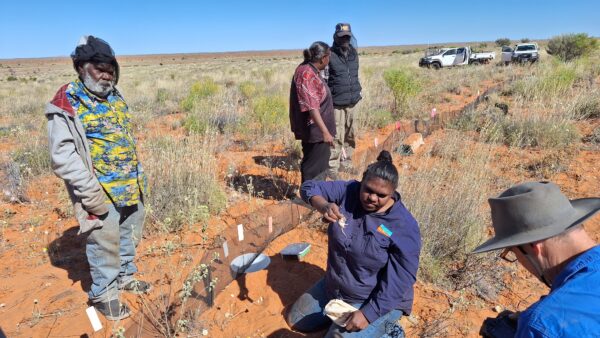
The new Pmere Atherre Antenterreme [Ap-ME-ra A-THA-rra A-NDAN-de-rre-ma] Indigenous Protected Area adds 47,311 square kilometres of Aboriginal land.
“The name of the new IPA means ‘working together to look after two areas of country’ and refers to two language and cultural groups,” said Central Land Council chief executive Les Turner.
Gathering on Tuesday, 14 July, at the Uluperte homeland, approximately four hours’ drive from Alice Springs, they will celebrate an agreement between the CLC and the federal government that funds them to better protect their sacred sites and around 900 animal and plant species.
“Three of our ranger groups will work with the traditional owners to look after the 21 threatened animal species found on the IPA,” Mr Turner said.
Among them are the crest-tailed mulgara, night parrot, bilby, dusky hopping mouse, plains mouse, princess parrot, grey falcon and eyrean grasswren. The area is also home to three threatened plants – birds nest wattle, sea heath and acacia peuce.
The traditional owners have developed an IPA management plan to guide them as they protect the fragile desert environment and their sites against weeds, feral animals, fires and the impacts of tourism.
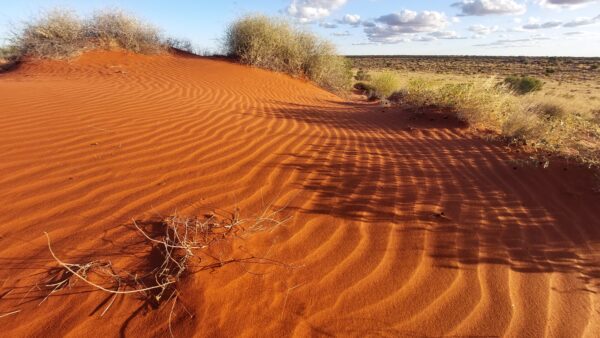
Traditional owner Damien Ryder likened the plan to a road map. “There’s already a rough road,” he said. “The plan is like a grader coming along and smoothing it out so we can get to where we want to go.”
The extra resources that come with the plan will allow families to visit this remote part of the Territory more often, so they can pass on their knowledge, songlines, laws, customs and ceremonies to their young people and strengthen their links to country. “Best thing is to take them out when they are school age to learn them young,” traditional owner Paul Williams said.
At the dedication celebration, children from schools near the IPA are expected to join the adults for activities such as tracking, hunting, looking for bush foods and making bush medicine. Traditional owner Marlene Doolan said there are “many stories and many songs” to pass on. “Our country is sacred to us, and we want to keep it strong,” she said.
IPAs are established under agreements between Aboriginal and Torres Strait Islander groups and the Australian government to manage and protect areas of land and sea for biodiversity conservation. They make up more than half of the national reserve system.