
Photo by Anna Miers, Central Land Council
The decision nullifies what was the largest groundwater licence ever granted in the Northern Territory. The judgment states that a 30-year licence, instead of the standard 10-year licence, was not properly justified and that native title holders were denied procedural fairness in the licensing process.
This means Fortune Agribusiness no longer has the right to use a water licence that granted them 40 billion litres of water every year for 30 years.
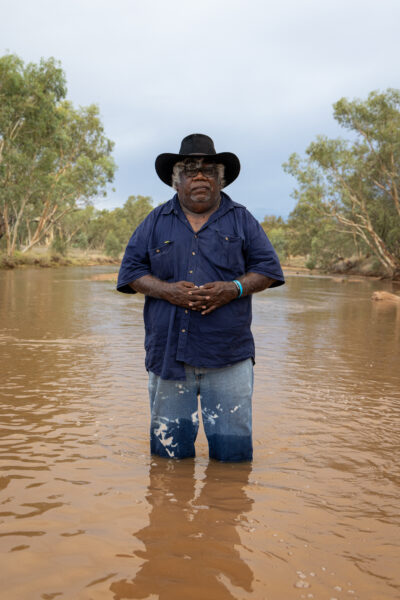
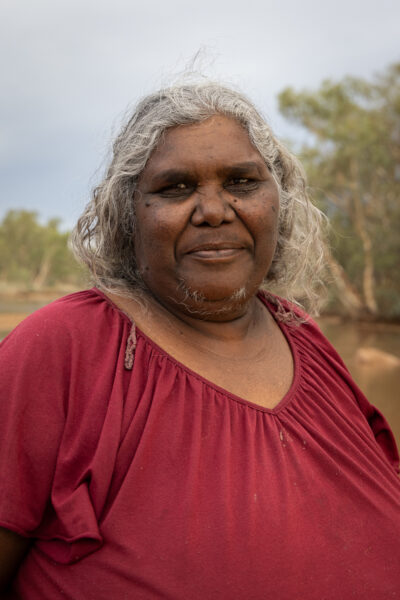
“That water is a dreaming. It’s got a meaning for us and our country, and that’s why it was really important for us to keep fighting and trying to find a balance there between the farm and us mob as traditional owners living on the country. That water is really ancient and it’s really precious. That water is life for us and our future generations,” native title holder Valerie Curtis said.
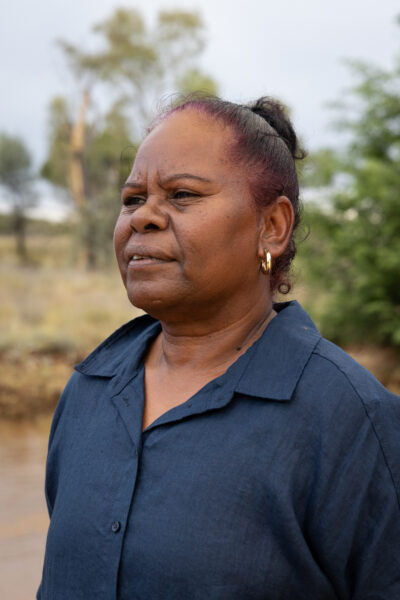
The judgement protects the country around Singleton Station, an hour’s drive south of Tennant Creek, from potentially devastating outcomes for ecosystems, sacred sites and Aboriginal culture.
If Fortune Agribusiness wants to proceed, it will need to wait for the Northern Territory Environment Protection Authority to complete an environmental impact assessment, likely in 2029, before the NT government reconsiders the water licence.
“The current project has no social licence. Its claimed economic benefits are questionable. And the decision to grant the Singleton water licence has now been judged unlawful,” CLC chief executive Les Turner said.
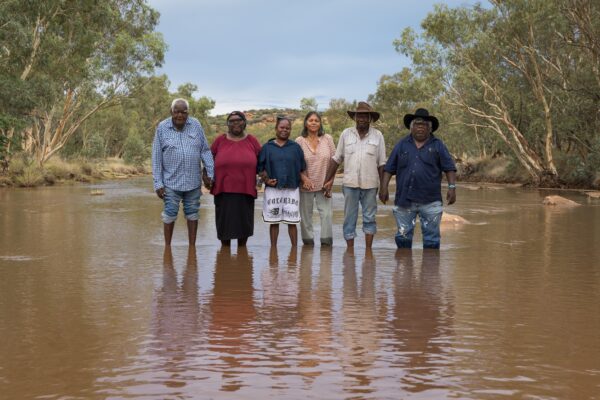
The decision comes after a six-year battle by the native title holder body, the Mpwerempwer [pronounced Em BOORM Boora] Aboriginal Corporation, against the licence, going through two NT courts before the High Court struck it down.
“It’s been a really long journey for us mob. We wasn’t going to give up. We was gonna continue to fight, but I’m glad that we did get a really good outcome from the High Court, and we’re really happy,” Ms Curtis said. “Those elders that have passed on, they would be really happy and proud of what we have achieved for our country.”
“A lot of fights we had. We never give up,” senior traditional owner Michael Jones said.
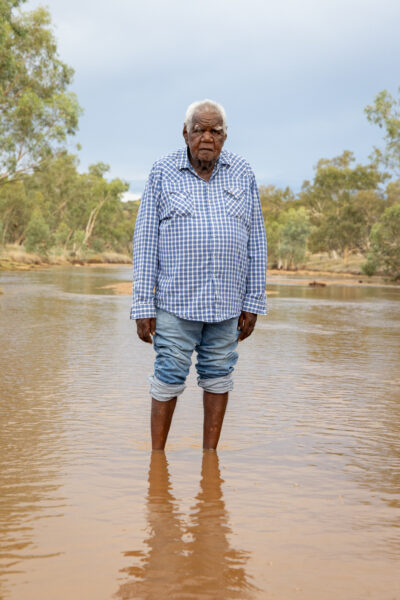
Native title holder Dawn Swan said they trusted the process and held onto hope throughout. “We just hung in there. We were positive. Now it’s time for peace, calmness and healing for us.”
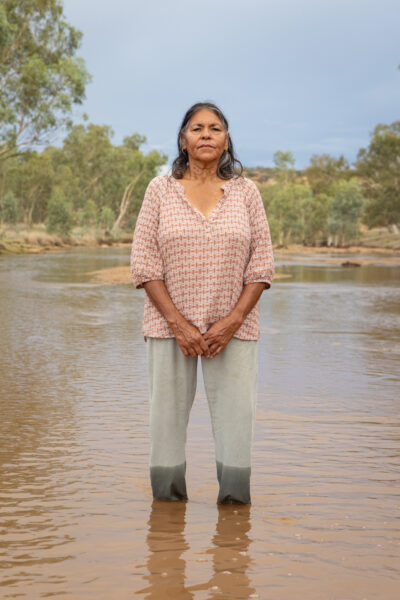
While this battle has been won, large vulnerabilities in the NT’s water laws remain.
The NT government is not required to abide by its own water plans, and government policy does not prevent the destruction of groundwater dependent ecosystems even where they have significant cultural values. The Productivity Commission has found the NT is not complying with national best practice standards and is backsliding in key areas.
“It shows how the NT’s weak water planning laws leave us vulnerable to poor decision-making about precious groundwater,” Mr Turner said.
Fortune Agribusiness has not explained how its project can comply with the NT’s strict sacred site laws. Traditional owners are prepared if Fortune Agribusiness continues its application for a water licence. They are taking part in the ongoing environmental impact assessment which will gather evidence about the impacts of the project and make recommendations on minimising harm.
“All the old people in the past that have left us, how they fought and continued to be strong. That’s how we need to continue. Supporting each other and speaking up strongly. Being leaders for our country and our younger generation,” Ms Curtis said. “We want whatever’s there on our country left for our future generations. For them to continue looking after country and practising culture on the land.”